

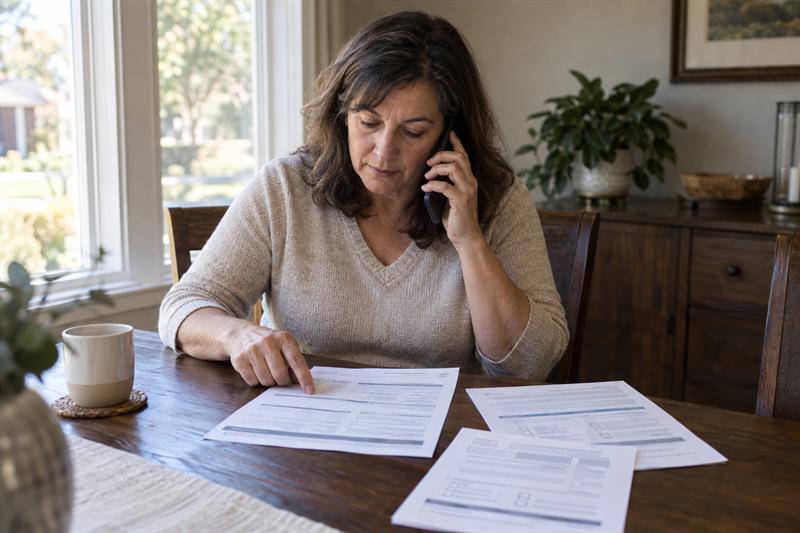
Understanding what happens after a primary care visit starts with separating what has been completed from what still needs attention. A lab order is not a completed test, and a referral is not necessarily a booked appointment. For each unfinished task, you need to know who handles it and when to expect an update.
For patients of Dr. Roufaida Al-Misky Family Medicine and Wellness in Troy, these steps connect the visit to ongoing primary care. Not every visit requires testing, a referral, or another appointment. Your clinician’s instructions guide your individual plan; this article explains the general process.
Key Takeaways: What to Do After a Primary Care Visit
Review your written instructions and identify the next action for each unfinished task.
- Read your after-visit summary for medications, tests, referrals, and return instructions.
- Clarify medication changes rather than guessing about conflicting directions.
- Complete ordered tests according to the preparation instructions.
- Confirm who schedules referrals instead of assuming someone will call.
- Establish how results will arrive and when to ask about missing communication.
- Confirm your follow-up plan, and ask which symptom changes require earlier attention.
Start With Your After-Visit Summary
Your after-visit summary brings the main instructions together. Review it while the discussion is fresh, whether you receive it on paper or electronically.
Check Medications, Tests, Referrals, and Return Instructions
Look for changes to your treatment and tasks you still need to complete. If you are establishing care, understanding what to expect at your first primary care appointment also helps put these instructions in context.
- New prescriptions or changes to existing medications.
- Tests to complete and any preparation requirements.
- Specialist referrals and scheduling instructions.
- Symptoms or home measurements to track.
- The recommended timing and purpose of another visit.
Follow-up can break down when an order is mistaken for a booking. If the summary lists a test without appointment details, clarify how to arrange it. If medication directions conflict with the prescription label, resolve the difference with the prescriber or pharmacist rather than choosing a dose yourself.
Ask for Clarification if Instructions Are Missing or Unclear
Request written instructions if you cannot find the plan or do not understand it. If you do not use a patient portal, ask how to obtain the information by telephone or on paper.
Two useful questions are: “Which task should I complete first?” and “How should I reach the office if I cannot complete it?” These answers help you prioritize the plan and address obstacles before they delay care.
If Lab Tests Were Ordered, What Happens Next?
Lab follow-up includes completing the test, receiving the result, and understanding the clinician’s interpretation. Receiving a report is only one part of that process.
Confirm Where to Go and Whether Preparation Is Needed
Before visiting a laboratory, confirm where to go and what your test requires. Missing preparation instructions can lead to a rescheduled appointment.
- Check whether the laboratory requires an appointment.
- Confirm how the laboratory receives the order.
- Review fasting or other preparation instructions.
- Clarify any medication-related instructions with your clinician or pharmacist.
Not every blood test requires fasting. This guide to which blood tests require fasting provides background, but the instructions for your specific order take priority. Do not stop medication or fast simply because blood work was requested.
Understand the Difference Between Results and Clinician Review
A result appearing in a portal does not necessarily mean your clinician has reviewed or discussed it with you. The report shows the findings; the clinical explanation connects them to your symptoms, history, medications, and other results.
A flagged value does not establish a diagnosis by itself. A number outside the laboratory’s reference range needs context, while a number within range does not answer every clinical question. The next step is understanding whether the finding changes your care plan or requires further evaluation.
Know What to Do if Results Are Delayed
Use the communication window provided by your care team rather than assuming all results take the same number of days. Processing time varies by test, and results from the same collection can arrive separately. If no timeframe was provided, ask when to expect an update.
A follow-up gap can occur when silence is treated as reassurance. If the expected window passes, contact the ordering office with the test date and location. Ask whether the results have arrived, whether they have been reviewed, and how you will receive the explanation.
Get an answer when an unclear next step is holding up your care plan. Contact Dr. Roufaida Al-Misky Family Medicine and Wellness if a task from your visit is stalled, including:
- A test order with no clear location or preparation instructions.
- Results that have not been explained after the expected communication window.
- A referral with no clear scheduling responsibility.
These situations call for clarification, not continued waiting without a timeframe. Identify the unfinished task so the office can help determine what needs to happen next.
If You Were Referred to a Specialist
A referral starts the process of obtaining specialist input. It does not necessarily complete scheduling, insurance requirements, or the transfer of medical records.
Confirm Who Schedules the Appointment
You may need to call the specialist, or the receiving office may contact you. The process varies, so confirm who initiates scheduling rather than assuming the referral creates an appointment.
- “Which specialist or office should receive the referral?”
- “Should I call, or should I expect a call?”
- “Whom should I contact if scheduling does not progress?”
Check Records, Insurance Requirements, and Scheduling Barriers
A referral does not by itself confirm insurance coverage. Network participation and prior authorization, when required by your plan, are separate considerations.
- Ask whether the specialist needs visit notes or test results.
- Check plan-specific coverage and authorization requirements with your insurer.
- Tell the referring office if cost, transportation, or appointment availability prevents you from completing the referral.
If the earliest appointment is later than the timeframe recommended by your care team, tell the referring clinician. They need that information to assess whether the wait is appropriate or another arrangement should be considered.
Confirm How Specialist Recommendations Reach Primary Care
Ask how the specialist’s findings will reach your primary care clinician. Records do not always move automatically between separate organizations.
A coordination gap can occur when the specialist visit is complete but primary care has not received the recommendations. Ask, “Will a report be sent, and do I need a primary care visit to review it?” Keep your medication list current and clarify conflicting directions rather than trying to combine incompatible plans.
Why a Primary Care Follow-Up May Be Recommended
A follow-up appointment addresses questions that remain after the visit or checks progress over time. Its purpose helps determine when to return and whether the visit should be in person.
Reviewing Results, Symptoms, and Treatment Changes
Return visits are used to discuss findings, reassess unresolved symptoms, review side effects, or evaluate treatment response. For example, a medication change may require monitoring even when the original symptoms improve.
This is part of how ongoing primary care supports chronic condition management. Feeling better and completing the monitoring plan are different milestones. Understand why the return visit was recommended before deciding it is no longer needed.
When Telemedicine May Fit and When an Office Visit Is Needed
Telemedicine suits some result discussions and symptom reviews when a hands-on assessment is unnecessary. An examination, specimen collection, procedure, or concern requiring direct evaluation calls for in-person care.
Dr. Roufaida Al-Misky Family Medicine and Wellness offers in-office and telemedicine visits. Choose the format with the care team based on what needs to be assessed; convenience can be part of that decision, but it should not be the only factor. A visit intended to discuss findings has different requirements from one intended to examine a new symptom.
When to Contact the Practice Before Your Follow-Up
Contact the practice sooner when an unfinished task blocks your plan or symptoms change. A scheduled return date is not a reason to leave a new concern unaddressed.
Missing Information, Medication Questions, or Scheduling Problems
Reach out about an unavailable prescription, conflicting directions, missing expected communication, or difficulty completing a referral. Provide the details that identify the problem:
- The date of your primary care visit.
- The medication, test, or referral involved.
- What you were instructed to do and what prevented it.
- Any relevant symptom changes and your specific question.
“The laboratory does not have my order” identifies a different issue from “I have not received my results.” That distinction helps the office determine whether the task involves an order, a missing report, or clinical review.
New or Worsening Symptoms May Need Earlier Assessment
Respond to new or worsening symptoms according to their severity, not just the date of your next appointment. Routine messages are not an emergency channel.
For urgent non-emergency concerns, Dr. Roufaida Al-Misky Family Medicine and Wellness offers same-day scheduling, subject to availability and clinical appropriateness. For possible emergencies, such as severe trouble breathing or signs of a stroke, call 911 rather than waiting for an office response.
Questions to Ask About Your Next Steps
Use these questions to clarify responsibilities, timing, and reasons to seek help sooner:
- What should I do first?
- Who schedules this?
- How and when should I expect results?
- Who explains what they mean?
- What should I do if I have not heard back?
- What changes mean I should seek help sooner?
When arranging follow-up with Dr. Roufaida Al-Misky Family Medicine and Wellness, explain whether you need clarification, a results discussion, or assessment of a symptom. That information helps the care team determine whether the question requires an appointment and whether telemedicine or in-office care fits the task.
Frequently Asked Questions About Primary Care Follow-Up
Will My Doctor Contact Me if My Lab Results Are Normal?
The practice’s notification process determines how results are shared. You might receive them through a portal, a call, or another agreed method. A result appearing electronically and a clinician explaining it are separate events. Not receiving a call does not confirm whether the results are normal or abnormal.
What Should I Do if No One Calls About My Specialist Referral?
Check the referral instructions to see who is expected to schedule. If they direct you to call, contact the specialist’s office. If you were told to expect contact and the agreed window has passed, ask the referring practice about the referral’s status. A placed referral is not a booked appointment.
Do I Still Need a Follow-Up Appointment if I Feel Better?
You may still need it because symptom improvement is not always the only reason for follow-up. The visit might review test results, assess side effects, or monitor a treatment change. Whether it remains necessary depends on that purpose, not simply on whether the original symptoms have eased.
Can I Ask a Question After My Visit Without Booking Another Appointment?
Some questions can be handled through the practice’s usual communication channels without another visit. Clarifying where to complete a test is different from assessing a new symptom or changing treatment. The complexity of the question and the need for clinical assessment help determine whether another appointment is appropriate.
What if I Cannot Complete a Test or Referral Before My Follow-Up?
An incomplete task does not automatically make the follow-up unnecessary. A visit focused on results may depend on their availability, while one assessing symptoms may still be useful. Tell the care team what remains unfinished and why so they can determine whether the appointment’s timing should change.
Conclusion: Know Your Next Step and Who to Contact
Contact Dr. Roufaida Al-Misky Family Medicine and Wellness if your post-visit plan leaves you unsure what to do next. An unscheduled test, unexplained result, or stalled referral can delay the information needed for a care decision. Addressing the specific gap is more useful than waiting without knowing who is responsible.
Review your instructions and identify the missing step before contacting the practice. An order is not a booking, a result is not an explanation, and specialist recommendations still need to reach primary care. Bring that unresolved task to the team so your next conversation can focus on completing the plan.
Recent Comments