

Blog

Meet Dr. Roufaida Al-Misky, MD, FAAFP: A Closer Look at Your Troy Family Medicine Physician
Finding a Troy family medicine doctor can be difficult when online profiles show only a name and address. Dr. Roufaida Al-Misky, MD, FAAFP, serves Troy, Michigan, and this blog explains what those credentials mean for patients choosing primary care.
Family medicine includes preventive care, chronic condition management, routine visits, immunizations, and same-day evaluation for urgent, non-emergency concerns. We support in-office visits and telemedicine when the concern fits the visit format.
A first patient visit helps review health history, current symptoms, medications, and follow-up priorities. This creates a clearer plan for ongoing care. Read the full article to learn more.

Troy Family Medicine Office FAQ: Hours, Appointments, Records, and Patient Questions
Finding a family medicine office in Troy is not the full task. You also need to know how appointments, office hours, and records work before you need care.
We provide appointment-only primary care. You schedule visits for acute problems, chronic condition management, prevention, and women’s health. Same-day scheduling may be available for urgent, non-emergency needs when the schedule allows. In-office visits support exams and immunizations. Telemedicine supports reviews that do not need a physical exam.
Medical records help your first visit move forward. Current medications, recent labs, and prior treatment notes can reduce repeated questions and support clearer diagnosis, treatment, and management. New patients should prepare a medication list, medical history, insurance information, and current concerns.
Read more for a practical guide to scheduling, same-day access, telemedicine options, and records transfer.
Adult Immunization Catch-Up: What to Bring Up at Your Annual Exam
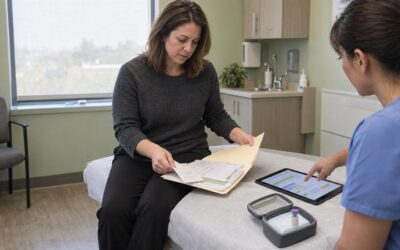
Adult vaccine gaps often happen because records change hands over time. Pharmacies, clinics, urgent care visits, and workplace records can split your history. At Dr. Roufaida Al-Misky Family Medicine and Wellness, we verify immunization status during preventive care.
An annual exam is a practical time to review flu shots, Tdap, and age- or risk-based vaccines. You can also check whether records from a pharmacy, former clinic, or pregnancy visit should be added to your chart.
Bring what you have. Past records, pharmacy printouts, former clinic names, and a medication list can help identify gaps.
Read more to prepare for your next preventive visit.

What to Expect When You Ask Your Primary Care Doctor for Mental Health Help
Many patients delay bringing up anxiety, low mood, poor sleep, or stress until daily life is affected. A primary care visit can be a practical place to start.
At Dr. Roufaida Al-Misky Family Medicine and Wellness, mental health concerns are reviewed as part of primary care. The visit focuses on what has changed, how long it has been happening, and how it affects work, home life, sleep, and focus. Symptoms such as fatigue, irritability, poor concentration, and changed appetite may overlap with physical health issues.
You do not need the perfect words. A simple statement can help: “I have been feeling more anxious, and it is affecting my day.” The doctor may discuss follow-up, therapy referral, medication, or additional evaluation based on the full picture.
Read the full article to learn what to expect before your appointment.

Minor Procedures in Primary Care: What to Prepare and Ask About Before and After Your Visit
At Family Medicine and Wellness in Troy, minor procedures in primary care need evaluation before treatment. A cut, skin spot, or irritated area may look simple, but the visit starts with history and exam. That helps decide if the office is the right setting.
We assess the problem, medication use, allergy history, healing factors, and recent changes. Details like blood thinners, diabetes, adhesive reactions, or fever can affect the plan and safety.
Aftercare matters. Ask what is normal during healing, when to keep the area clean or dry, when work or exercise should pause, and what changes mean you should call. Worsening redness, swelling, pain, drainage, bleeding, or fever should be reviewed.
Read the full guide for what to ask before a minor procedure visit.

When to Use Your Primary Care Doctor to Coordinate Specialist Care
Primary care can help sort symptoms before specialist care begins. At Family Medicine and Wellness, we see patients who are unsure whether to start with a specialist, return to primary care, or manage care on their own.
When symptoms are new, changing, or involve more than one condition or medication, primary care first helps narrow the issue. We can review labs, medications, history, and recent results before a referral.
Primary care also matters after the specialist visit. We help place recommendations into the full plan, track follow-up, and keep care aligned. Same-day in-office and telemedicine access is available for urgent, non-emergency needs in Troy, MI.
Read the full article for a clearer way to decide when primary care, urgent care, or specialist care is the right next step.

How to Choose a Family Doctor in Troy: A Practical Checklist for New Patients
Choosing a new family doctor in Troy should focus on how care works day to day. Location and reviews matter, but they should not be the first filter. The right practice is the one that keeps care moving when follow-up is needed.
Look for a family medicine practice that supports preventive care, urgent non-emergency concerns, chronic condition management, and immunizations. Ask how quickly new patients are seen, how labs are reviewed, and whether you usually see the same doctor. Same-day scheduling for urgent non-emergency needs can help when a cough, rash, or medication concern comes up.
At Family Medicine and Wellness, we offer in-office care and telemedicine when appropriate. We focus on diagnosis, treatment, prevention, and management for adults and families in Troy.
Read the full checklist to choose a family doctor.

Family Doctor, Urgent Care, or ER? A Troy Patient Decision Guide
Choosing the right care depends on severity, timing, and medical history. For many same-day, non-emergency concerns, a family doctor is a useful first step.
We care for acute medical issues and chronic conditions in Troy, Michigan. Primary care fits well when a symptom connects to medications, a chronic condition, or likely follow-up. This can include coughs, fevers, rashes, recurring urinary symptoms, or condition flare-ups that need a clearer next step.
Urgent care works for limited minor injuries or illnesses when timing is the main issue. The ER is the right choice for chest pain, severe trouble breathing, stroke-like symptoms, severe bleeding, or loss of consciousness.
Read more about choosing a family doctor, urgent care, or the ER.

What Happens After a Primary Care Visit: Labs, Referrals, and Follow-Up Explained
A primary care visit can leave tasks unfinished. Labs, referrals, and follow-up appointments are parts of your ongoing care plan.
Review your after-visit summary. It lists medication changes, ordered tests, referrals, symptoms to track, and return visit instructions. Confirm where to complete lab work, whether fasting or preparation is needed, and how results will be explained. If a referral was placed, confirm who schedules the specialist, how records are sent, and what insurance authorization may be needed.
If a step is unclear or delayed, contact Family Medicine and Wellness in Troy. We can help identify the missing task and determine whether an in-office or telemedicine visit is appropriate. Same-day scheduling is available for urgent, non-emergency needs when clinically appropriate.
Read the full article for a clear post-visit checklist.

Transitioning to a New Family Doctor in Troy: How to Request Records and Prepare Your First Visit
Switching family doctors requires separate steps for medical records, prescriptions, and ongoing care. A booked appointment does not complete the handoff.
Before a first visit with Dr. Roufaida Al-Misky Family Medicine and Wellness, confirm new-patient availability, your insurance plan, and any required primary care provider designation. Request records from the previous practice, use the new office’s approved delivery details, and prepare a current medication, allergy, and supplements list. Assign a responsible office for refills, pending results, referrals, and monitoring.
Records requested is not the same as records received and reviewed. Check the sending and receiving offices, bring available documents, and note what the clinician still needs. We can help you determine which appointment type fits your concern and which records support diagnosis, treatment, prevention, or management decisions.
Read the full article to prepare for your first primary care visit.
We're Here Whenever You Need Us
PROFESSIONAL AFFILIATIONS


