

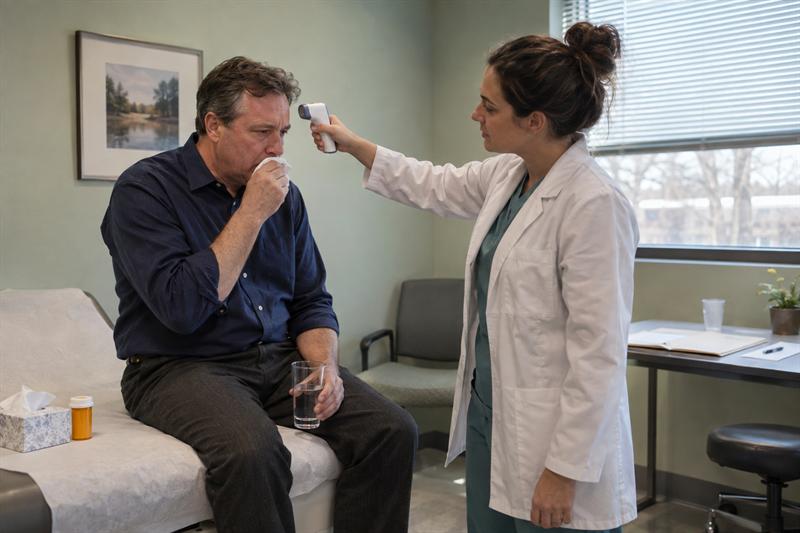
Many patients choose care based on urgency alone instead of choosing the setting that best fits the problem. That can lead to delays, disconnected follow-up, and visits that address the immediate symptom without addressing what may be contributing to it.
At Dr. Roufaida Al-Misky Family Medicine and Wellness, this is a common point of confusion. Many symptoms fall between routine care and emergency care. They need attention soon, but they do not always need an emergency room or a walk-in urgent care visit.
How to choose between a family doctor, urgent care, and the ER
Start with three questions: How severe are the symptoms right now? Is this a new problem or part of an ongoing pattern? Does your medical history change what this symptom might mean?
That approach usually makes the next step clearer. Many patients focus only on speed, but speed is only one part of the decision. The bigger issue is choosing the setting that can evaluate the problem appropriately and help guide what comes next.
- Family doctor: Often a good fit for same-day, non-emergency problems when history, medications, chronic conditions, or follow-up matter.
- Urgent care: Often a good fit for minor illnesses or injuries that need quick attention when timing is the main issue.
- ER: The safer choice for severe or potentially life-threatening symptoms.
Start with how severe the symptoms are
Mild to moderate symptoms usually fit primary care or urgent care. Severe symptoms generally belong in emergency care. This is where many people lose time by waiting too long or choosing a lower level of care than the situation needs.
If there is severe trouble breathing, chest pain, stroke-like symptoms, severe bleeding, or loss of consciousness, the decision is no longer between family medicine and urgent care. Those symptoms generally need emergency evaluation because they may require immediate resources that a routine office or urgent care setting is not built to provide.
Consider whether the problem is new, ongoing, or getting worse
A new one-time problem is different from a symptom that keeps coming back or has been getting worse for days. That difference matters because recurring symptoms can point to something larger than the symptom itself.
A common pattern is repeat treatment in walk-in settings without a clear plan for why the problem keeps returning. That is where continuity starts to matter. A primary care doctor can look at the pattern, not just the episode. For a broader look at how ongoing care works, see family medicine in Troy, MI.
Think about whether your medical history matters for this decision
The same symptom can mean something different depending on the person. A cough in a generally healthy adult is not the same as a cough in someone with asthma. Urinary symptoms in a first-time situation are different from symptoms that keep returning. Dizziness in someone with no relevant history is different from dizziness in someone managing blood pressure medication.
This is something primary care handles regularly. The symptom may sound simple, but the medical history can change the best next step. That can affect the evaluation plan, the follow-up, and how closely the problem should be watched.
When a family doctor may be the best first call
A family doctor is often the best first call when the problem needs attention soon but is not an emergency, especially when the issue connects to your medical history, medications, or chronic conditions. That is the part many comparison articles miss. The question is not just where you can be seen fastest. The question is who is best positioned to evaluate the problem in context.
Dr. Roufaida Al-Misky Family Medicine and Wellness may be a strong option for urgent non-emergency concerns because same-day primary care can address the current symptom and the bigger pattern behind it. That can support better follow-up and help reduce repeat visits for the same unresolved problem.
Same-day non-emergency symptoms
Many common illnesses can start in primary care the same day. This includes cough, sore throat, fever, sinus symptoms, rash, ear pain, and mild urinary symptoms. These are common problems, but they are not all interchangeable.
Patients often assume urgent care is the automatic answer. In many cases, same-day primary care is the more complete option when the symptom needs treatment and the history behind it matters. If fever is part of the issue, this related guide on when a fever may need medical attention can add context.
Chronic condition flare-ups or medication-related concerns
Primary care becomes even more important when the symptom overlaps with an ongoing condition. Asthma flare patterns, blood pressure concerns, diabetes-related symptoms, medication side effects, and repeat infections do not always stay simple when they are handled as isolated events.
A common pattern is that the immediate symptom gets addressed, but the medication issue, chronic disease pattern, or recurring trigger does not. That can lead to the same problem happening again. For patients managing ongoing conditions, ongoing primary care for chronic medical care and management explains why long-term follow-up matters.
Situations where follow-up and continuity matter
Some symptoms do not seem complicated at the first visit, but they can become harder to sort out when they do not improve, return quickly, or connect to a larger health issue. That is where family medicine has a clear advantage. It is not just a visit. It includes reassessment, next steps, and follow-up when needed.
This often matters with repeat infections, lingering cough, medication reactions, blood pressure concerns, and symptoms that seem mild but do not fully resolve. If follow-up is likely, starting with primary care can reduce the gaps that happen when care is split across multiple settings. Patients who are new to the practice can also review what to expect at a first primary care appointment.
If you recognize these patterns, it may be time to act:
- Your symptom keeps coming back even after treatment
- You take regular medications that could be affecting the problem
- You have a chronic condition and the symptom feels different than usual
- You suspect the issue will need follow-up, testing, or a treatment adjustment
When those signs are present, the problem may need more than a quick one-time visit.
When urgent care may make sense
Urgent care has a clear role. It makes sense when the problem needs prompt attention, is not severe enough for the ER, and timing is the main issue. The important distinction is that urgent care works best for straightforward, limited problems that do not rely heavily on long-term medical context.
That does not make urgent care better or worse than primary care. It makes it different. Problems start when urgent care is used for issues that clearly involve chronic conditions, repeat symptoms, medication changes, or likely follow-up.
Minor illnesses or injuries that need quick attention
Urgent care may be a practical option for:
- minor cuts
- sprains
- simple injuries
- mild infections
- new symptoms that need same-day attention when primary care is unavailable
The main factor here is that the issue is limited and needs quick evaluation. If the concern is a cut, worsening redness, persistent bleeding, or signs that it is deeper than it looks, those details can change the decision. This is covered in more detail in top signs you need to see a doctor for your cut.
After-hours or weekend needs
Urgent care is often the practical choice when symptoms need timely attention outside office hours and the problem is still non-emergency. That is where access becomes the deciding factor.
Still, timing should not override severity. If the symptom is escalating quickly or seems more serious than a routine minor illness or injury, the decision shifts away from urgent care.
Limits of urgent care patients should understand
Urgent care is not designed to replace continuity. It is generally less effective for complex medication issues, repeat symptoms, chronic disease patterns, or problems that are likely to need close follow-up.
This is a common issue after walk-in treatment. The immediate problem may be addressed, but the underlying reason it happened may still be unresolved. That can lead to another visit somewhere else and more delay in getting the full picture.
When the ER is the safer choice
The ER is the safer choice when symptoms are severe, rapidly worsening, or potentially life-threatening. In those situations, delay is the problem.
Trying to fit an emergency-level problem into routine care can cost valuable time. That is what can go wrong when convenience takes priority over urgency.
Symptoms that may need emergency evaluation
- chest pain
- severe trouble breathing
- stroke-like symptoms
- severe bleeding
- loss of consciousness
- severe allergic reactions
- sudden severe weakness or confusion
Why severe symptoms should not wait for routine care
Severe symptoms often require immediate testing, monitoring, or treatment. That is why routine office care, telemedicine, or urgent care is not the right holding place for them.
Common symptom examples: where should you go?
Most patients do not search by category. They search by symptom. The key is to match the symptom with the right level of care based on severity, timing, and whether the issue fits a larger pattern.
Fever, cough, sore throat, and congestion
These symptoms usually fit family medicine or urgent care, depending on how severe they are and how quickly they are changing. If the main issue is same-day evaluation for a common illness, either setting may work. If the person has asthma, repeated infections, significant worsening, or a longer pattern of not improving, primary care often becomes the better fit because the history matters.
If the cough is dragging on or changing, persistent symptoms usually mean the issue needs more than reassurance. This related article on signs you need to see a doctor about your cough adds practical detail.
UTI symptoms, rashes, ear pain, and pink eye
These symptoms are often reasonable for same-day primary care or urgent care. The decision changes when the problem is recurring, tied to medication issues, or part of a pattern that has shown up before.
A rash that is new and limited is different from a rash that keeps spreading or returning. Pink eye in isolation is different from repeated eye irritation or symptoms that are not improving. Ear pain can be straightforward, but persistent or repeat ear problems usually need more follow-through than a one-time visit provides.
Minor cuts, sprains, and mild injuries
Urgent care may be a good fit for quick evaluation of minor injuries, especially when the problem is clearly limited. A mild sprain or small cut is different from severe swelling, obvious deformity, major bleeding, or an injury that limits normal movement. Those more serious signs shift the urgency.
Injuries can also be underestimated when people assume “minor” without watching how the problem develops. This can become more concerning when pain increases, swelling spreads, or normal use does not return. That is why the initial appearance is not the only factor.
Chest pain, severe shortness of breath, or neurologic symptoms
These are emergency symptoms. They should be treated as ER-level concerns, not routine office concerns or urgent care concerns. The safest next step is immediate emergency evaluation.
How telemedicine fits into the decision
Telemedicine can be useful, but it has a specific role. It works best when the problem can reasonably be discussed through history, conversation, and limited visual review. It stops being enough when the situation clearly needs an in-person exam, testing, or emergency assessment.
A common pattern is that patients try to force every problem into the most convenient format. That can break down when the symptom is progressing, the exam matters, or the issue is more complicated than it first appears.
What may be appropriate for a virtual visit
A virtual visit can be a practical starting point for mild upper respiratory symptoms, some rashes, simple follow-up questions, and certain medication-related concerns. It can also help sort out whether the next step should be in-person care.
This is especially useful when history is a big part of the picture. In that setting, the visit is not just about the symptom. It is about understanding what has changed and what that change may mean for next steps.
When an in-person exam is more appropriate
An in-person visit is more appropriate when the problem needs a physical exam, testing, direct observation, or immediate treatment. Worsening symptoms, dehydration, breathing concerns, injuries, and unresolved uncertainty usually lead here.
Telemedicine is a tool. It is not a substitute for emergency care, and it is not the right endpoint when the problem clearly needs hands-on evaluation.
If you are not sure where to go
If you are unsure, do not make the decision based only on what is open first. Use the symptom itself, the pattern behind it, and how fast it is changing.
This is where people often get clearer answers by slowing the decision down for a moment and asking the right questions.
Questions to ask yourself before booking care
- How severe are the symptoms right now?
- Did they start suddenly or get worse quickly?
- Do I have a chronic condition or medication issue that changes what this symptom might mean?
- Do I need follow-up with someone who knows my health history?
- Is this likely to need testing or a physical exam?
When to call the office for guidance
Calling the office makes sense when the problem is urgent but not clearly an ER issue and you are trying to decide between a same-day visit, telemedicine, or another setting. That is especially true when the symptom overlaps with an ongoing medical issue or a medication concern.
For non-emergency symptoms, that kind of guidance can help prevent two common mistakes: underreacting to a problem that is getting worse and overreacting to a problem that could be handled in primary care.
Key Takeaways
- A family doctor is often the best first step for same-day, non-emergency concerns when history, medications, chronic conditions, or follow-up matter.
- Urgent care works best for straightforward minor illnesses or injuries when timing is the main issue.
- The ER is the right choice for severe, rapidly worsening, or potentially life-threatening symptoms.
- Recurring problems usually need continuity, not just quick treatment.
- Telemedicine can help with some mild concerns, but it stops being enough when an exam, testing, or emergency-level care is needed.
Conclusion: choosing the right care can save time and improve follow-up
The real issue is not just picking a convenient place to go. It is choosing a care setting that matches the severity of the symptom and the larger medical context behind it. When that decision is handled poorly, important details can be missed, symptoms can keep returning, and follow-up can become fragmented.
For many urgent non-emergency concerns, Dr. Roufaida Al-Misky Family Medicine and Wellness may be a practical next step because the visit can address both the immediate issue and what may need to happen after it. That matters when symptoms are recurring, medication-related, tied to chronic conditions, or likely to need reassessment. If you need a same-day primary care appointment for a non-emergency concern, Dr. Roufaida Al-Misky Family Medicine and Wellness may be an appropriate place to start.
Company approach
Dr. Roufaida Al-Misky Family Medicine and Wellness approaches care navigation with a simple standard: address the current problem, look at the pattern behind it, and make sure the next step is clear. That is especially important for symptoms that seem minor at first but keep returning, overlap with chronic conditions, or need follow-up after the first visit.
That approach is one reason same-day primary care can be more useful than a one-time visit in many non-emergency situations. When the office understands medications, health history, and ongoing concerns, the decision can be more precise and follow-up can be more effective. Readers who want a clearer picture of what happens after a visit can review what happens after a primary care visit, including labs, referrals, and follow-up.
FAQ
Should a family doctor or urgent care be the first choice for a same-day illness?
For many same-day, non-emergency illnesses, a family doctor is the better first choice because the visit includes medical history, medications, and follow-up planning. A sore throat or cough may look simple, but the decision changes when the person has asthma, repeat infections, or symptoms that have been building for several days. Urgent care is more practical when the main issue is timing and the problem looks straightforward.
When should symptoms go to urgent care instead of primary care?
Urgent care fits best when the problem needs prompt attention, is not severe enough for the ER, and is mostly a one-time issue. A minor injury after hours is a good example. The decision changes when the symptom is part of a larger pattern, connected to a chronic condition, or likely to need follow-up, because that usually makes primary care the more useful starting point.
What symptoms should go straight to the ER?
Chest pain, severe trouble breathing, stroke-like symptoms, severe bleeding, loss of consciousness, severe allergic reactions, and sudden severe weakness or confusion should go straight to the ER. The reason is not just that these symptoms feel serious. They generally require immediate testing, monitoring, or treatment that routine outpatient settings are not designed to provide.
Can telemedicine replace urgent care for common symptoms?
Sometimes, but not across the board. Telemedicine works well for some mild upper respiratory symptoms, certain rashes, medication questions, and follow-up concerns where history does most of the work. It stops being enough when the problem needs an exam, testing, hands-on treatment, or immediate escalation.
Is a family doctor a good option for recurring infections or chronic condition flare-ups?
Yes, and often a better one than repeated walk-in treatment. Recurring problems rarely stay isolated. Repeat urinary symptoms, repeated sinus issues, asthma flare patterns, or medication-related symptoms usually need someone to review the trend, not just the current complaint. That is where primary care becomes more effective than one-time treatment alone.
What should someone do if they are not sure whether a problem is urgent care, primary care, or ER level?
Start by sorting the issue by severity, speed of change, and medical context. Severe symptoms point to the ER. Straightforward minor issues that need quick attention may fit urgent care. Urgent non-emergency symptoms tied to medications, chronic conditions, or repeat problems usually fit primary care better because the history changes what the symptom might mean.
Recent Comments