

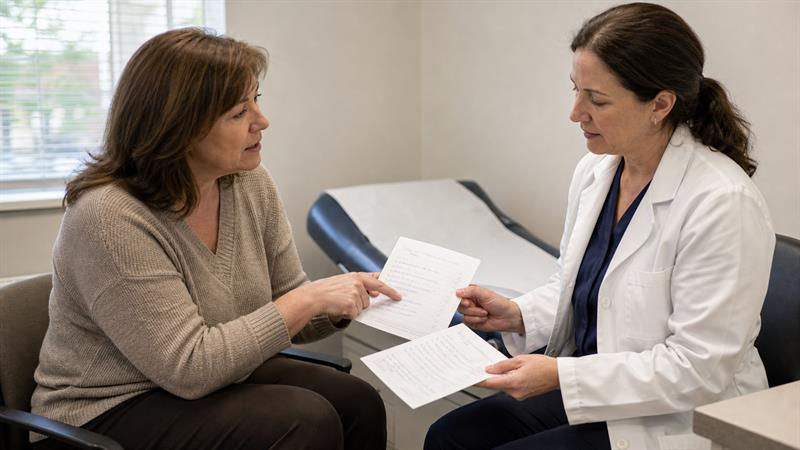
If it has been a while since your last checkup, you may be unsure whether you need an annual physical, a preventive visit, or an appointment for a new concern. Dr. Roufaida Al-Misky Family Medicine and Wellness provides annual health exams and preventive screenings in Troy as part of ongoing family medicine care.
An annual exam is more than paperwork or a set of labs. It is time to review what has changed since the last visit, what preventive care may be due, and what needs closer attention.
Preventive Care Is More Than a Routine Checkup
Preventive care brings together health items that are easy to postpone, including routine measurements, medication updates, immunizations, screening discussions, and questions that have been set aside. Feeling well does not always mean those items are current.
It can be easy to wait until a symptom becomes disruptive before mentioning it. An annual physical gives patients time to discuss changes while reviewing the larger picture of their health.
It also creates a record that can be reviewed over time. Blood pressure, weight, medications, family history, prior test results, and health habits are more useful when considered together rather than as isolated details.
For more context on why an annual physical can still be valuable when you feel well, review the related guide.
What an Annual Health Exam May Include
An annual health exam may include a review of your medical history, medications, current concerns, vital signs, preventive care needs, and follow-up planning. The details vary because the discussion should reflect your age, previous care, health history, and changes since your last visit.
- Reviewing personal and family health history
- Updating medications, supplements, and allergies
- Checking vital signs and completing an examination as appropriate
- Discussing vaccines, health habits, and preventive screening needs
- Planning laboratory work, referrals, or follow-up when needed
Health History, Medications, and Current Changes
Your health history is most useful when it is up to date. Changes in medications, supplements, sleep, mood, energy, pain, weight, activity, or family history can affect which preventive topics need attention.
A symptom may seem too minor to mention but continue for months. New or persistent symptoms should be discussed clearly because they may need attention beyond a routine preventive visit.
A written list helps keep important details from being forgotten during the appointment. Patients can also prepare questions to bring to an annual check-up so the visit addresses the issues that matter most to them.
Vital Signs and Physical Examination
Vital signs commonly include blood pressure, pulse, and weight. A physical examination is based on the patient’s history, age, reason for the visit, and current concerns.
A single measurement does not always tell the whole story. Its value comes from being reviewed with prior readings, medications, symptoms, and other health information. When a reading changes over time, tracking it can help guide follow-up.
Preventive Planning, Vaccines, and Screening Discussions
Annual visits commonly include a review of preventive needs, including vaccines and screenings that may be due. Some patients may also need laboratory work, a referral, or a return appointment to address a concern identified during the visit.
Preventive planning is not based on age alone. Prior results, personal history, family history, medications, and current health conditions all help shape the discussion.
How Preventive Screening Recommendations Are Decided
Preventive screening discussions are guided by age, life stage, prior screening history, personal and family history, health conditions, medications, and health habits. An online screening list can raise useful questions, but it cannot determine which items are most relevant to one person’s health history.
Age, Life Stage, and Prior Screening History
Previous screening results and the timing of past tests help determine what should be reviewed next. Preventive guidance changes over time, and a screening that was not relevant at one stage of life may become an important topic later.
A past normal result does not necessarily mean the topic never needs to be revisited. Preventive care is most useful when prior testing is considered alongside current circumstances and updated guidance.
Personal and Family Health History
Personal and family health history can change the preventive conversation. A family pattern involving heart disease, diabetes, cancer, or another condition does not automatically mean a specific test is needed, but it can be relevant when planning preventive care.
If you learn new information about your family, such as a relative receiving a diagnosis, include that update at your appointment. It gives the clinician a more complete picture when discussing next steps.
Health Conditions, Medications, and Lifestyle Factors
Existing conditions, prescribed medications, tobacco use, alcohol use, sleep, physical activity, nutrition, and stress can all affect preventive-care discussions. These details connect routine prevention with the care a person already receives.
Preventive care and chronic care are connected. A medication change, ongoing condition, or shift in health habits can affect what follow-up is needed and which screening topics should be reviewed.
Common Preventive Screening Topics to Discuss During an Annual Physical
Preventive screening discussions usually focus on the health areas most relevant to the patient’s history and stage of life. Not every screening applies to every adult, so a focused conversation is generally more useful than a generic checklist.
- Blood pressure and cardiovascular health: Routine measurements and personal risk factors can help identify whether this area needs closer tracking.
- Cholesterol and diabetes-related screening: These topics may be reviewed based on health history, previous results, and other individual factors.
- Cancer screening: The timing and type of screening discussion depend on personal history, family history, age, and prior care.
- Immunizations: Vaccination status can be reviewed as part of routine preventive planning.
- Mental well-being and sleep: Changes in mood, stress, sleep, or energy can be important parts of the conversation.
- Daily health habits: Nutrition, activity, tobacco, alcohol, and other habits can shape practical next steps.
The goal is not to order every possible test. It is to identify what needs attention and what can be monitored over time.
How to Prepare for Your Annual Physical
Preparation gives the clinician a clearer starting point and can make the appointment more productive. The most useful information is often what has changed since your last visit.
- Bring an updated list of medications, vitamins, and supplements.
- Write down relevant family health history, especially new diagnoses.
- Bring previous records, test results, or specialist information if the office requests them.
- List questions, symptoms, health changes, and goals before the visit.
- Follow the office’s instructions if laboratory work or other testing is planned.
- Review insurance questions in advance if you are unsure how a visit or additional services may be handled.
This preparation is especially helpful when a patient has more than one concern. Without a written list, the visit can focus on the first issue mentioned while other important changes go unaddressed. For more detail, read how to prepare for an annual physical exam.
Annual Exam, Preventive Visit, or a Visit for a New Health Concern?
An annual exam generally focuses on prevention, health maintenance, and screening discussions. A new, worsening, or ongoing concern may need a problem-focused evaluation because it requires attention to symptoms, timing, severity, and possible next steps.
- Routine preventive care: This includes health maintenance, screening discussions, vaccine review, and updating your overall health record.
- New or ongoing concern: This includes symptoms or health changes that may need direct attention rather than waiting for a future annual appointment.
The distinction matters because the type and scope of services can affect appointment planning and insurance coverage. A preventive appointment is not always the right setting for a concern that has become persistent, disruptive, or worse over time.
When Same-Day Care May Be Helpful
A new health concern does not always need to wait until your next annual physical. When a non-emergency issue needs timely attention, same-day scheduling may be a practical option.
If you are dealing with a new concern that is changing, persistent, or interfering with daily life, it may need its own appointment.
- A symptom has continued instead of improving.
- A health concern is getting worse or becoming more frequent.
- A medication issue or new side effect needs timely review.
- You are unsure whether a concern belongs in a future physical or needs attention now.
Dr. Roufaida Al-Misky Family Medicine and Wellness offers same-day scheduling for urgent, non-emergency needs when available. For emergencies, seek emergency care.
Annual Health Exams at Dr. Roufaida Al-Misky Family Medicine and Wellness
Dr. Roufaida Al-Misky Family Medicine and Wellness provides family medicine and personalized primary care for individuals and families who need preventive care, ongoing care, or timely attention for non-emergency concerns. An annual health exam provides a structured way to review health history, current changes, preventive screenings, and follow-up needs.
The approach connects routine prevention with the rest of a patient’s care. When a result, concern, medication issue, or screening need requires attention, the next step can be planned in the context of ongoing primary care.
For patients who need care beyond routine prevention, the practice also provides same-day scheduling for urgent, non-emergency concerns when available.
Key Takeaways
- An annual health exam gives you time to review health changes, preventive needs, and questions that are easy to delay.
- Preventive screenings are based on individual history, prior care, current health factors, and updated guidance.
- Medication lists, family history updates, and written questions help make the appointment more useful.
- New or worsening concerns may be better addressed in a separate, timely appointment.
Frequently Asked Questions About Annual Physicals and Preventive Screenings
What is included in an annual physical exam?
An annual physical exam may include a review of your medical history, medications and supplements, health changes, vital signs, an examination as appropriate, preventive screening discussions, vaccine review, and follow-up planning. It is not a fixed package of tests because the appointment should reflect the person’s history and current needs.
For example, a patient with no new concerns and recent screening records may have a different visit than someone with a medication change, a new family history detail, or a persistent symptom.
Do I need an annual physical if I feel healthy?
An annual preventive visit can still be useful when you feel healthy. It provides an opportunity to review preventive screening discussions, vaccinations, health-maintenance items, and medication updates that may be due.
This does not mean every healthy person needs extensive testing. Preventive care is based on more than symptoms, and a routine review helps keep the overall health record current.
What preventive screenings should I ask about at my annual exam?
Common topics include blood pressure, cholesterol, diabetes-related screening, cancer screening, immunizations, sleep, mental well-being, nutrition, activity, tobacco, and alcohol use. The most important topics depend on age, personal history, family history, prior results, medications, and current health conditions.
A screening category is not the same as a screening order. The annual exam helps determine which discussions and next steps fit your situation.
How should I prepare for an annual physical?
Prepare an updated medication and supplement list, relevant family health information, questions, symptoms, and recent health changes. Bring outside records or specialist information if requested.
Do not assume fasting is required for every appointment. Preparation for laboratory work depends on the planned testing, so office-specific instructions are the details that matter.
Is an annual wellness visit the same as an annual physical?
Not always. The terms “annual wellness visit,” “preventive visit,” and “physical” can describe different appointment formats, and coverage can vary based on insurance and the services provided during the visit.
A routine preventive visit and an evaluation for a new problem are not always handled the same way. A new symptom may need separate assessment, even when it is discussed during an annual appointment.
Can I schedule a same-day visit for a new health concern?
Same-day scheduling may be available for urgent, non-emergency needs. This can be useful when a new concern should be addressed sooner than a future annual physical.
If a symptom is persistent, worsening, or affecting daily life, it may need direct attention rather than waiting for a routine preventive visit.
Conclusion
Delaying an annual health exam can leave medication changes, family-history updates, preventive discussions, and developing concerns disconnected from the rest of your care. Over time, this can make it harder to see what needs attention and when.
Dr. Roufaida Al-Misky Family Medicine and Wellness is a practical option for annual health exams and preventive screenings in Troy. The practice can help connect preventive planning with ongoing family medicine care and timely same-day scheduling for urgent, non-emergency concerns when available.
Recent Comments