

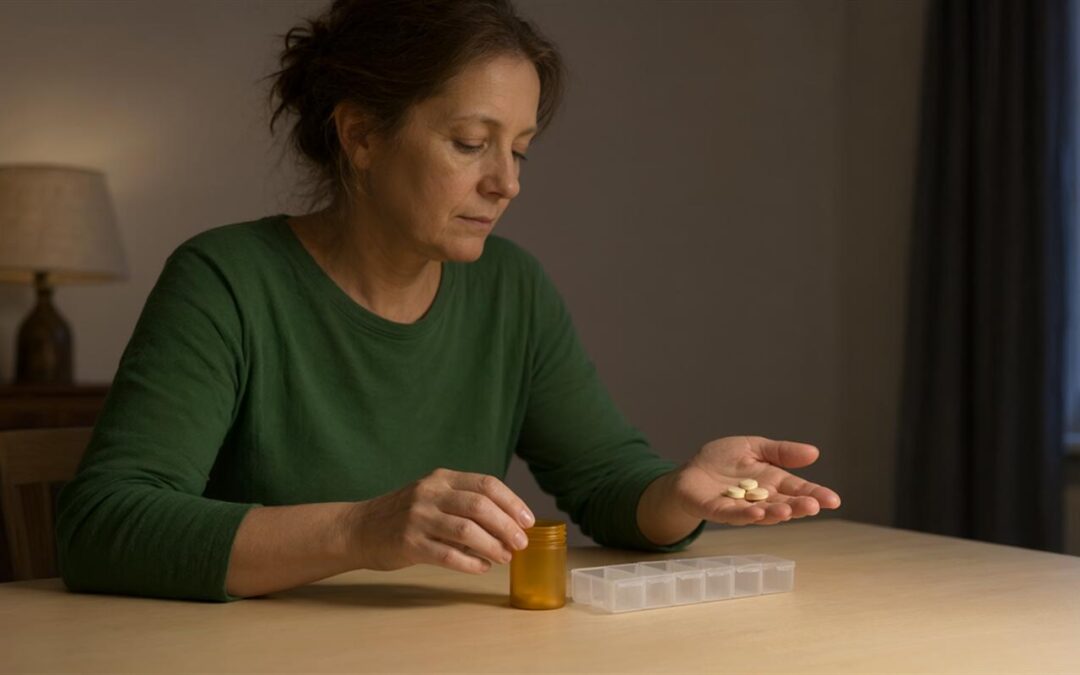
A chronic condition follow-up is a working appointment. It reviews how the plan is holding, what has shifted since the last appointment, and what to adjust next. At Dr. Roufaida Al-Misky Family Medicine and Wellness, a family medicine practice in Troy, Michigan, these visits sit inside ongoing primary care for adults and families. The appointment itself is short. What arrives with you, meaning the readings, the medication list, and the questions written down, decides how much of the plan the visit can cover. Preparation is not paperwork. It is the part of the visit that happens before the appointment starts.
Why Preparation Changes What the Visit Can Cover
An established-patient appointment runs roughly 15 to 45 minutes. A new-patient appointment runs about 60 minutes. The office is appointment only, with no walk-in visits, so the scheduled slot is the whole conversation. Fifteen minutes holds a medication review or a set of questions. It does not hold both at once with any real depth.
Some visits may be handled by telemedicine, and the visit type is settled when the appointment is booked. The practical limits stay the same either way. The clinician needs the recent readings, the current medication list, and a clear statement of what has changed since the last visit. Those three items do not fit in a memory. They fit on one page.
A prepared patient changes the shape of the visit. The first ten minutes go to the substance of the plan instead of to reconstructing dates and doses. The last five minutes go to the next step instead of to a rushed summary.
What to Track Between Visits
Home readings are only useful when they carry dates and context. A page of blood pressure numbers with no dates is a set of measurements. The same page with a date, a time, and a note about what was happening becomes a pattern a clinician can read. The date is the piece most often left out, and it is the piece that turns a number into information.
Four things are worth writing down between appointments: the measurement with its date, the symptom with how often it appears, the medication change with the day it started, and any shift in sleep, appetite, activity, or work schedule that came alongside it. A single line per entry is enough. A page of prose is harder to read in a short visit than a dated column.
Readings taken at home also have a use beyond the visit. They are how a plan gets tested between appointments, which is the point of tracking at all. For a broader view of the cycle, how ongoing chronic care works between visits sets out how monitoring, medication review, and plan adjustments fit together across months rather than a single appointment.
A Chronic Condition Follow-Up Appointment Checklist
A chronic condition follow-up appointment checklist does one job. It moves the work of remembering out of the exam room and onto paper, so the appointment starts with the plan instead of the paperwork.
- Dated home readings, with the time and the circumstances noted beside each one.
- A current medication list, including doses, start dates, and anything recently stopped.
- New or worsening symptoms, with what changed and roughly when.
- Results, letters, or discharge papers from other offices.
- Two or three questions, written in the order of importance.
- Photo ID and a current insurance card.
Keep the list to one page. A longer document competes with the conversation it was meant to support. A phone note works as well as paper, provided the items are short and the dates are visible without scrolling.
The checklist is also a record of what was already raised. A question asked three visits ago and answered once is easier to follow up when the note says so. That continuity is what makes the list worth keeping from one appointment to the next.
What to Bring to the Visit
If you have wondered what to bring to chronic care visit, the list is shorter than most people expect. Photo ID, a current insurance card, current address and phone number, and a medication list or the medication bottles cover the practical side of the appointment. The bottles matter when the list is out of date or when a pharmacy changed a generic manufacturer without notice.
Billing is worth a moment of planning. Annual visits fall under wellness and preventive care, and insurance usually covers them. Acute problems, chronic care management, and medication changes are billed differently, and the practice currently accepts most insurance plans. Knowing which kind of visit is on the schedule keeps the insurance conversation out of the exam room.
Paperwork is easier to handle before arrival. Check the patient documents the office keeps on file for the forms that can be completed ahead of time, which shortens the check-in and leaves the full appointment for the plan itself.
Updating Medications, Symptoms, and Side Effects
A symptom described in one word is hard to act on. The useful version answers five questions: what it is, when it started, how often it appears, what makes it better or worse, and what it stops you from doing. “Dizzy in the morning, three times this week, worse when standing up quickly, and it stopped the morning walk” gives a clinician something to work with. “Dizzy” does not.
Medication changes belong with the prescriber. A dose that was reduced, a drug that was stopped, or a prescription that was never filled are all worth reporting, and none of them should be decided quietly between visits. Bring the bottles or a written list, and say plainly what changed and when.
Side effects deserve the same treatment as symptoms. Note the timing relative to the dose, whether the effect faded or held, and whether anything else changed in the same week. A new prescription and a new symptom in the same two weeks is a pattern worth naming out loud, even when the two turn out to be unrelated.
Bringing Prior Results and Records From Other Offices
Results ordered by another office may not reach your family doctor automatically. A lab drawn at an urgent care, a specialist’s letter, or a hospital discharge summary often stays where it was created unless someone requests it. Bringing a copy to the follow-up is the simplest way to close that gap, and it is faster than a records request that arrives after the appointment.
The same applies to timing. A result that is still pending has its own sequence, covered in what happens after a primary care visit, which explains how results, referrals, and follow-up instructions move between offices. If a test has been ordered and not yet completed, that belongs on the list too, with the date it was ordered.
Preparation for a blood draw is a separate question. The tests that call for fasting, and how the window works, are set out in which blood tests require fasting. Worth checking before the morning coffee.
Questions Worth Asking at a Follow-Up
Whether a question belongs on the chronic condition follow-up appointment checklist depends on what the answer would change. A question that would not alter the plan can wait. A question about the next decision should be asked first, while the visit still has room for an answer.
The questions that tend to earn their place are specific. What do these numbers mean for the current plan? What would make the plan change at the next visit? What should be checked before then, and by whom? When is the next review due? What should prompt a call sooner than the scheduled date? Each one has an answer a clinician can give in a sentence or two, and each one leaves the visit with a next step attached.
Write the questions down in the order they matter. In a short appointment, the third question is the one that gets dropped, so the order is a decision about what to protect. A written list also survives the part of the conversation where something unexpected comes up and the original agenda slips.
When Something Changes Before the Appointment
New or worsening symptoms do not have to wait for a scheduled date. The practice keeps same-day scheduling for urgent, non-emergency concerns, subject to availability and clinical appropriateness. A change that is uncomfortable but not an emergency is the kind of concern that fits that slot, and an early call gives the office more of the day to work with.
Medical emergencies are a different track. For medical emergency treatment, call 911 or go to the nearest emergency department. Chest pain, trouble breathing, sudden weakness, or confusion are not scheduling questions.
Between those two, a scheduling question starts with the Troy office contact page. A short description of what changed, and when, is enough for the office to say whether the concern fits a same-day visit or the scheduled follow-up.
Key Takeaways
- A follow-up is short by design, and preparation decides what fits inside it.
- Dated readings and dated symptoms are usable; undated numbers are not.
- A one-page checklist covers readings, medications, symptoms, outside records, questions, and identification.
- Medication changes belong with the prescriber, including a decision to stop.
- Results from another office usually need to be carried in rather than assumed to have arrived.
Preparing for the Next Follow-Up
Dr. Roufaida Al-Misky Family Medicine and Wellness provides chronic medical care and management alongside annual health exams and preventive screenings, acute medical care, women’s health, mental health treatment, minor medical issues, minor skin procedures, immunizations, and wellness injections. Appointments are booked ahead, and the office FAQ on hours and appointments answers the scheduling questions that come up before a visit. A one-page note, a current medication list, and three questions are enough to change what a follow-up appointment can cover.
Recent Comments